








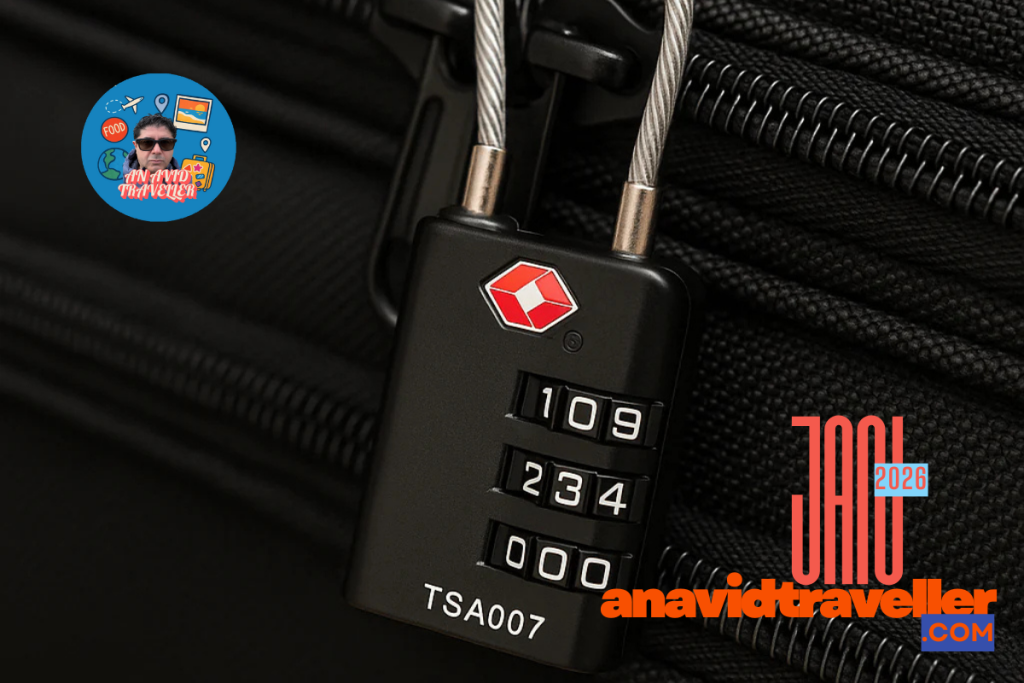
TSA Lock Explained: What Travellers Need to Know Before Flying
What You Need to Know About TSA Locks Before You Travel
If you travel internationally, especially through or via the United States, you have probably seen luggage locks marked with a small red diamond. That symbol means the lock is TSA-approved, and understanding what that actually means can save you from damaged luggage and unnecessary stress. Find out more at: https://www.tsa.gov/
What is a TSA lock
A TSA lock is a luggage lock that can be opened by airport security using a master key. It allows officers to inspect your bag without breaking the lock.
TSA stands for the Transportation Security Administration, the agency responsible for airport security screening in the United States.
Why TSA locks exist
When your checked luggage needs to be inspected, security officers must open it. If your bag is locked with a non-TSA lock, they are legally allowed to break it.
With a TSA lock, officers can
Open your bag for inspection
Re-lock it after inspection
Avoid damaging your suitcase or lock
If a lock is broken during inspection, airlines are not responsible for replacement.
Do you need a TSA lock
You should use a TSA lock if
You are flying to or through the United States
You check in your luggage and want basic protection
You want to avoid locks being cut open
While TSA locks are mainly associated with the US, many other countries also recognise and accept them during inspections.
What TSA locks do and do not protect
A TSA lock is not a high-security device.
What it does
Prevents casual tampering
Protects zips from accidental opening
Reduces risk of lock damage
What it does not do
Stop determined theft
Guarantee your bag will not be searched
Replace proper travel insurance
Think of it as a courtesy lock, not a safe.
How to identify a real TSA lock
A genuine TSA-approved lock will always have
A red diamond symbol
A three-digit or four-digit combination or key
TSA branding or reference number
If it does not have the red diamond, it is not TSA-approved.
Should you lock your luggage at all
Yes, but for the right reasons.
Locks help prevent accidental opening and casual interference, especially with soft shell luggage. However, never place valuables such as cash, jewellery, or important documents in checked baggage, whether it is locked or not.
TSA locks and other countries
Even when travelling outside the US, TSA locks are widely accepted and rarely cause issues. Many airports around the world now use similar inspection methods and prefer locks that can be opened without force.
Final thoughts
A TSA lock is a small, inexpensive travel accessory that can prevent unnecessary damage to your luggage. It will not stop theft, but it will stop your lock from being cut open during routine inspections.
If you check in bags and travel internationally, especially via the US, using a TSA lock simply makes sense. Travelling soon? Do not pay for FREE visas. Read my SCAM ALERT blog post 👉: https://anavidtraveller.com/visa-scams-exposed/
FAQ:
Can TSA open my lock without telling me
Yes. If your bag is inspected, it may be opened and relocked without notice un the USA.
Will TSA locks work in New Zealand or Australia
Yes. They are generally accepted and do not cause issues during inspections.
Are TSA locks mandatory
No. They are optional, but strongly recommended for US travel.
Can I use a key instead of a combination
Yes. Both key and combination TSA locks are allowed.
Who has access to TSA lock keys
Only authorised airport security agencies have access to TSA master keys.
In the United States, this access is held by the Transportation Security Administration. Their officers use official master keys or digital unlocking tools to open TSA-approved locks during baggage inspections.
Outside the US, access may also be granted to
Airport security authorities
Customs and border inspection agencies
Approved aviation security contractors
These agencies can open TSA locks only for security screening purposes. Airlines, baggage handlers, hotel staff, and the general public do not have authorised access to TSA keys.
Important things travellers should know
• TSA master keys are not publicly issued
• TSA locks are designed for inspection access, not theft prevention
• If a lock is opened, it should be relocked after inspection
• A notice card may be placed inside your bag, but this is not guaranteed
One common misconception
TSA locks do not mean anyone can open your bag. They simply allow authorised security personnel to inspect luggage without cutting the lock.
Bottom line
If your bag needs to be checked, TSA or authorised security personnel can legally open it.
If it does not, no one else should be able to.
Is it possible for baggage handlers to have a spare TSA lock key
No. Baggage handlers do not have authorised access to TSA lock master keys.
Only approved airport security agencies are permitted to hold and use TSA master keys. In the United States, this authority sits with the Transportation Security Administration. Their keys are issued, tracked, and restricted for official screening purposes only.
Baggage handlers
• Do not carry TSA master keys
• Are not authorised to open locked luggage
• Handle bags only after security screening is completed
If a bag needs to be opened for security reasons, it is removed from the baggage flow and inspected by security officers, not handlers.
Why this matters for travellers
There is a common misconception that baggage handlers can open TSA locks. They cannot. If a bag is found open, it is usually because
• It was inspected by security
• The lock failed or was not properly secured
• The zip was damaged or forced
TSA locks are designed to prevent locks from being cut during inspections, not to allow staff access.
Bottom line
Your TSA lock cannot legally be opened by baggage handlers.
Only authorised security agencies have access to the master keys.