








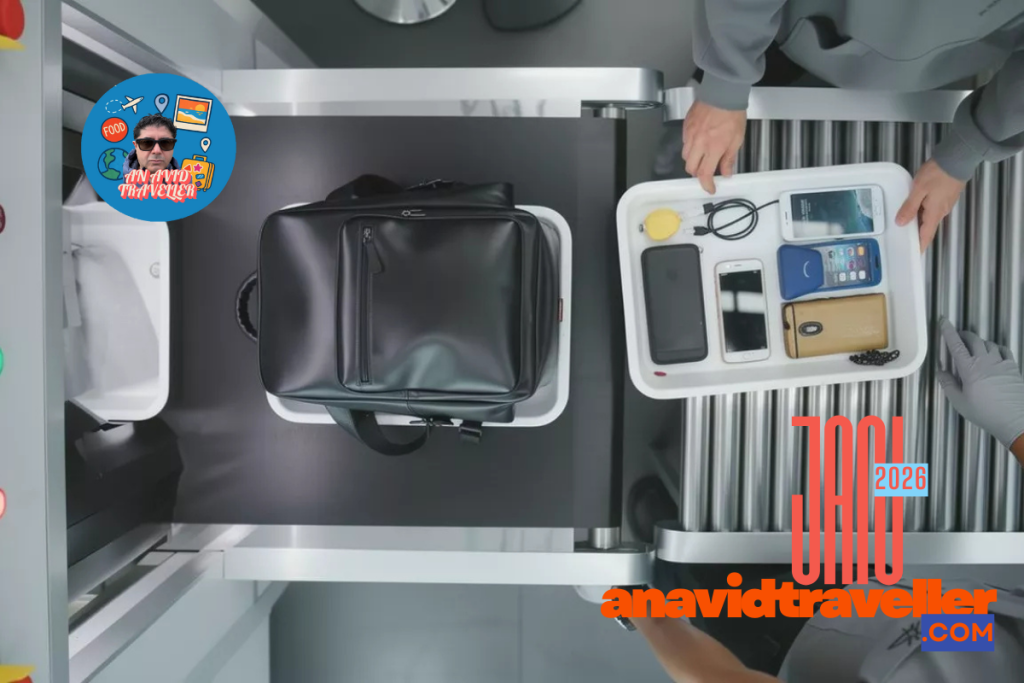
Carry On Items That Get Confiscated Most Often
What travellers keep losing at airport security and how to avoid it
You pack light.
You arrive early.
And then, at airport security, they take something from your bag.
It happens every single day, to experienced travellers and first-timers alike.
Here are the most commonly confiscated carry-on items, and why they get taken.
Liquids over the allowed limit
This is the number one reason items are confiscated worldwide.
Anything over 100 ml in your carry-on is likely to be taken, even if the bottle is half empty.
Common items people forget about
Perfume
Sunscreen
Shampoo and conditioner
Creams and lotions
Hair gel
Liquid makeup
Security does not care how expensive it is or how new it is.
Water bottles and drinks
Yes, even reusable bottles.
If it has liquid inside when you reach security, it will be confiscated.
This includes
Water
Juice
Protein shakes
Coffee bought before security
Tip
Empty your bottle before screening and refill it after.
Power banks and spare batteries
This one surprises a lot of people.
Power banks are allowed in carry-on but not in checked luggage.
However, they can still be confiscated if:
They exceed airline watt-hour limits
They look damaged or swollen
They do not clearly show capacity details
Very large or unbranded power banks are often taken.
Sharp objects
Anything sharp is a risk.
Common confiscated items
Pocket knives
Multi tools
Scissors
Razor blades
Nail clippers with blades
Even small items can be taken if the officer decides they are unsafe.
Aerosols and sprays
Many aerosols are restricted or limited.
These include
Deodorant sprays
Hair spray
Spray paint
Insect repellent
If they exceed size limits or are flammable, they will be confiscated.
Food items that cause problems
Solid food is usually fine.
Liquids and spreads are not.
Often confiscated
Peanut butter
Jam
Honey
Soft cheese
Yoghurt
Sauces
If it spreads, pours, or squeezes, it counts as a liquid.
Tools and work items
Travellers heading straight to work often forget these.
Common examples
Screwdrivers
Wrenches
Measuring tools
Drills
Utility blades
These must go in checked baggage.
Lighters and matches
Rules vary by country and airline.
Some allow one lighter on your person.
Some confiscate them entirely.
Torch lighters and fuel lighters are almost always taken.
Medications without packaging
Medication is allowed, but loose pills can raise questions.
Issues happen when
There is no original packaging
The medication looks unfamiliar
Quantities seem excessive
This does not always lead to confiscation, but it can cause delays.
Items people assume are allowed but are not
These catch travellers off guard.
Examples
Sports bats or clubs
Self-defence keychains
Tactical pens
Handcuffs
Replica weapons
If it looks like a weapon, it will likely be taken.
What happens to confiscated items
Once taken, you usually have three options
Throw it away
Hand it to someone outside security
In rare cases, mail it home
Most people end up losing the item permanently.
How to avoid losing items at security
Check liquid sizes the night before
Put all liquids in one clear bag
Move sharp or bulky items to checked luggage
Research airline battery rules
When unsure, do not bring it
Final thoughts
Airport security rules are strict and applied quickly.
There is no arguing once a decision is made.
If you travel often, knowing what is most often confiscated can save you time, money, and frustration.
Save this before your next flight.