






Strict Travel Rules You Might Not Know About in New Zealand
New Zealand is stunning, welcoming, and incredibly well organised. But it is also one of the strictest countries in the world when it comes to travel rules. Many visitors get caught out not because they are careless, but because these rules are simply not common elsewhere.
If you are planning a trip to New Zealand, read this carefully. It could save you money, delays, or even a fine.
Biosecurity rules are taken very seriously
New Zealand protects its environment fiercely. Biosecurity is not a suggestion; it is the law.
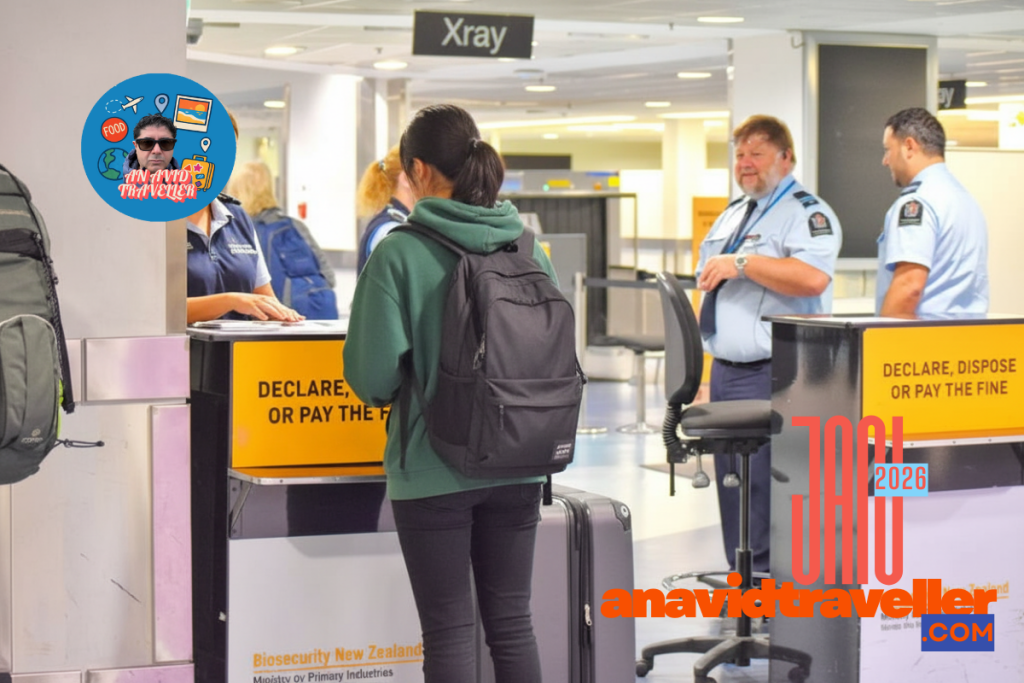
You must declare any food, plant products, wooden items, outdoor gear, or animal-related items. This includes snacks in your bag, hiking boots, fishing equipment, honey, seeds, and even herbal medicines.
If you forget or choose not to declare something, you may face fines immediately at the airport. In serious cases, penalties can go much higher.
All bags are screened on arrival, and officers from the Ministry for Primary Industries are extremely thorough.
Food rules go beyond what most travellers expect
Many travellers assume packaged food is fine. That is not always true.
Some items that often cause issues include
Fresh fruit and vegetables
Meat products, including jerky
Dairy items
Honey
Home-cooked food
Seeds and nuts
Even if food is commercially packaged, you must still declare it. Declaring does not mean you will be fined. Not declaring is what causes problems.
New Zealand Biosecurity rules
Anchor text
Official New Zealand biosecurity rules
Link to
Ministry for Primary Industries biosecurity travel page
Ministry for Primary Industries: https://www.mpi.govt.nz/bring-send-to-nz/bringing-and-posting-items-to-nz/travelling-to-new-zealand
Hiking and outdoor rules are legally enforced
New Zealand’s landscapes are beautiful but unforgiving.
If you plan to hike, you are expected to be prepared. Authorities regularly fine hikers who ignore weather warnings, trail closures, or attempt advanced hikes without proper gear.
Some tracks require registration. Others may be closed for conservation or safety reasons. Ignoring signage is not treated lightly.
Search and rescue operations are expensive, and if you are deemed reckless, you may be liable for costs.
Drones are heavily restricted
Flying a drone in New Zealand is not as simple as it looks on social media.
You cannot fly drones in national parks without permission. You cannot fly over people, private property without consent, or near airports. Many tourist hotspots are completely restricted.
Local councils and the Department of Conservation enforce these rules, and fines are common.
Always check local rules before taking off.
Customs declarations are digitally tracked
New Zealand uses digital passenger declarations. Your answers are logged and cross-checked.
If you declare nothing but are found carrying restricted items, officers will assume intent rather than mistake.
Honesty is always the safer option.
Medication rules can surprise travellers
Some medications that are legal elsewhere are restricted in New Zealand.
If you are carrying prescription medication, keep it in its original packaging and carry a copy of your prescription or doctor’s letter.
Large quantities or unlabelled pills can be confiscated.
On arrival, behaviour matters
Being rude, dismissive, or argumentative with border officers will not help. New Zealand border control has wide discretion over searches, questioning, and delays.
Polite, clear, and honest answers go a long way.
Final thoughts
New Zealand is not trying to make travel difficult. These rules exist to protect the country’s environment, people, and way of life.
If you declare honestly, prepare properly, and respect local laws, you will have no issues at all.
If you ignore them, New Zealand will remind you very quickly that these rules are not optional.
FAQ:
Can I bring hiking boots
Yes, but they must be clean. Dirty boots are often inspected or cleaned on arrival.
Are fines issued at the airport
Yes. On the spot fines are common for biosecurity breaches.
Can tourists fly drones freely
No. Many areas require permission or are fully restricted.
Download the AirShare App before you fly your drone.
Google App Store
Apple Store
Is New Zealand strict compared to other countries
Yes. It is considered one of the strictest countries globally for biosecurity and environmental protection.
Can i bring in my leftover aeroplane food
No, always declare food items even if they are sealed.
Have you heard about the Visa Travel scams? This is a must-read 👉 https://anavidtraveller.com/visa-scams-exposed/